When a project requires digging around underground utilities, the method you choose matters. Traditional excavation gets the job done, but it comes with real risk. Vacuum excavation offers a smarter alternative. For public works teams, utility contractors, and anyone working near buried infrastructure, understanding the difference can save time, money, and headaches.
What Is Vacuum Excavation?
Vacuum excavation, also called soft digging, uses pressurized water or air to break up soil, then suctions the debris into a holding tank. The result is precise, controlled excavation with minimal disturbance to the surrounding area.
Hydro vac vs. excavation is a common comparison in the industry, and for good reason. Traditional digging relies on mechanical force. That approach doesn’t distinguish between soil and the gas line, sewer pipe, or fiber conduit buried two feet below the surface.
Safety First, Always
The most immediate benefit of vacuum excavation is worker safety. Mechanical excavators can and do strike buried utilities. Those strikes cause gas leaks, electrical hazards, service disruptions, and serious injuries.
Soft digging techniques give operators precise control over where and how they excavate. The process exposes buried utilities without putting them at risk. That means safer conditions for crews and less liability exposure for the organizations managing the project.
Lower Costs Than You’d Expect
Traditional excavation often looks cheaper upfront. But the full cost picture tells a different story.
Striking a utility line mid-project triggers emergency repairs, service outages, regulatory scrutiny, and potential fines. Restoration of pavement, landscaping, and surrounding structures adds up fast. And project delays cost money at every level.
Vacuum excavation reduces all of those risks. Fewer utility strikes means fewer utility callouts, less surface disruption means lower restoration costs, and more precise digging means projects stay on schedule.
The Environmentally Friendly Option
Traditional mechanical digging disturbs large areas of soil, increases the risk of erosion, and can damage tree roots and other underground ecosystems. Vacuum excavation limits the footprint of every dig.
The soil removed during hydro vac excavation is collected and contained, not scattered across the job site. That makes it easier to restore the area after work is complete and reduces the project’s overall environmental impact. For work near waterways, green spaces, or environmentally sensitive areas, soft digging techniques are often the only responsible choice.
How Pro-Pipe Uses Vacuum Excavation
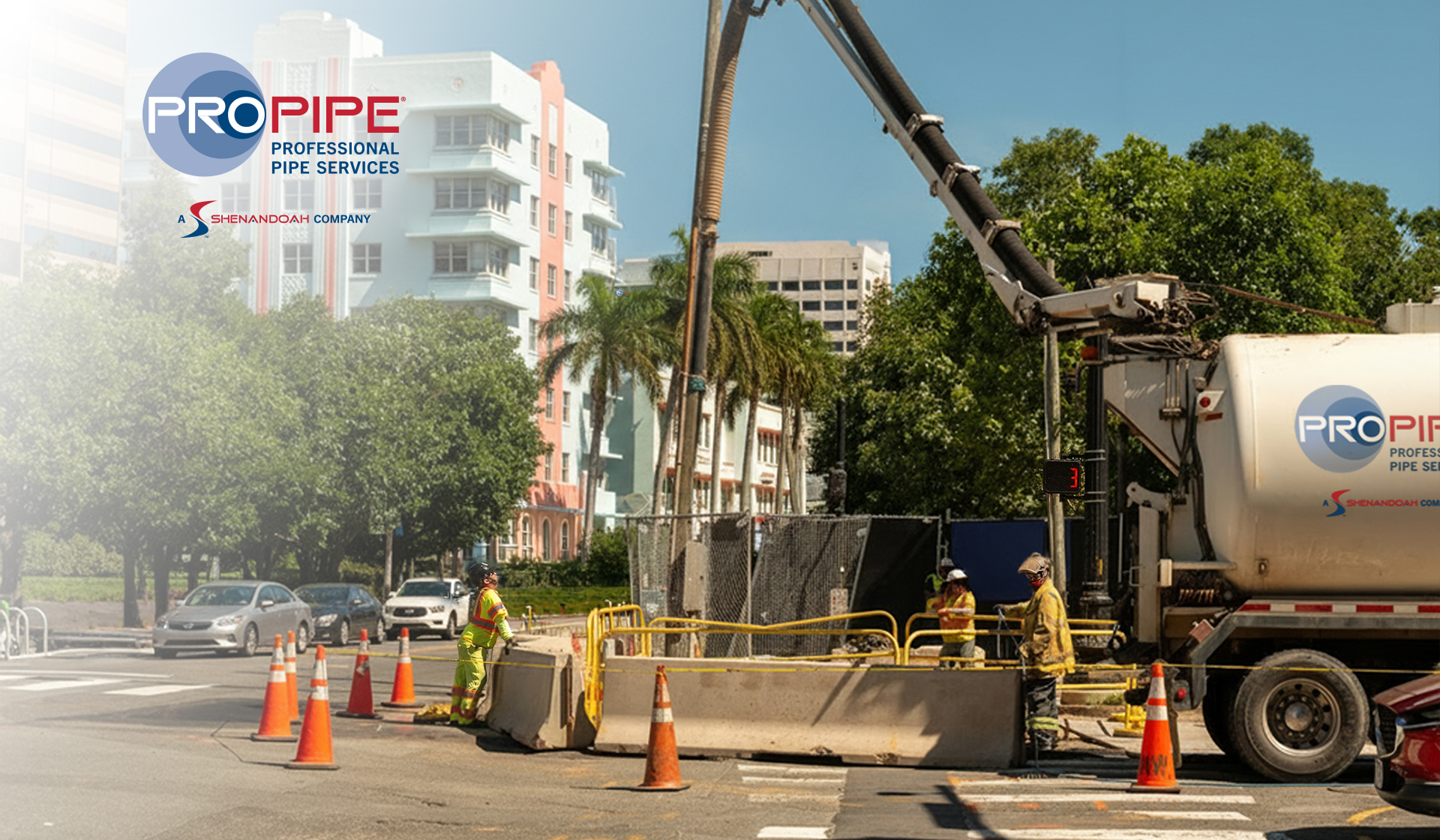
Pro-Pipe brings vacuum excavation to utility and infrastructure projects where precision and safety are non-negotiable. Whether it’s exposing buried laterals prior to inspection, supporting HDD operations, or working in tight urban corridors, our teams use soft-digging methods to protect existing infrastructure and keep projects on track.
Ready to explore safer digging methods for your next project?
Contact Pro-Pipe today to learn how vacuum excavation can work for you.